

Für Urritrek gibt es kaum etwas Aufregenderes, als neue Pfade durch wunderschöne, abgelegene und historisch bedeutsame Landschaften in Costa Rica zu erschließen. Genau das erleben wir mit dem Camino de Montes de Oro, einem neuen mehrtägigen Wandererlebnis für Reisende, die eine weniger bereiste Seite des Landes entdecken möchten.

Camino de Montes de Oro: neue Wanderroute in Costa Rica
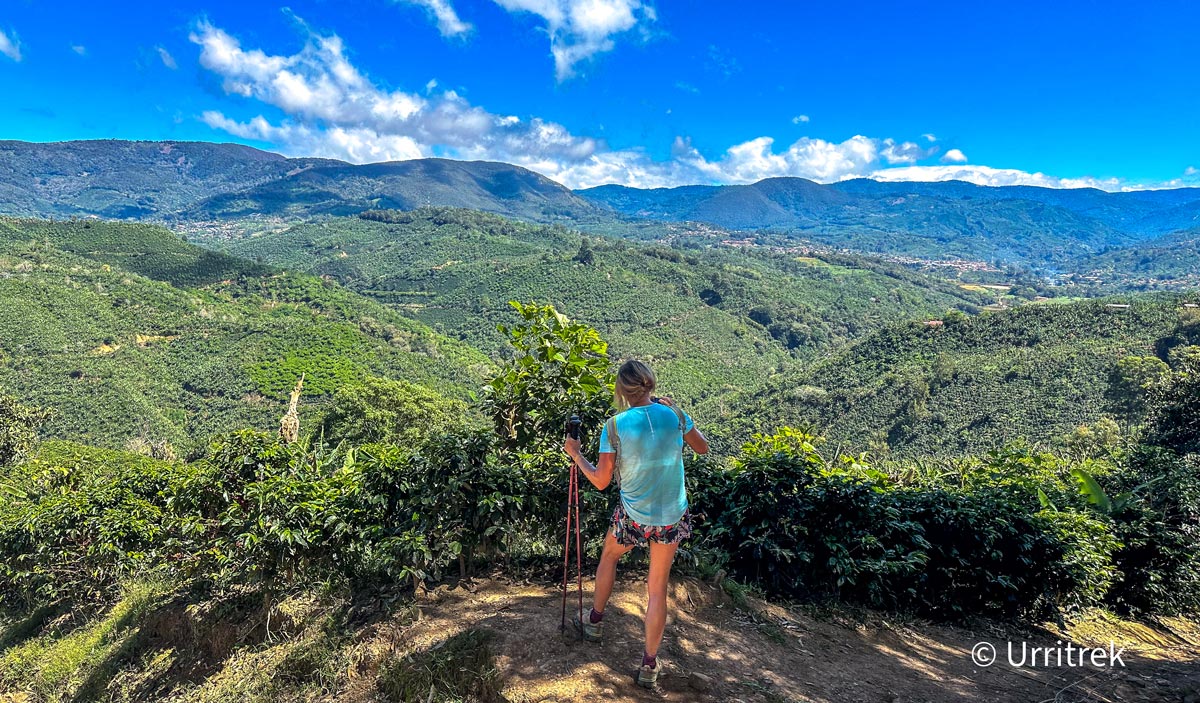
Diese Route führt Wanderer durch die Berglandschaften von Montes de Oro in der Provinz Puntarenas und passiert tropische Trockenwälder, Nebelwälder, ländliche Dörfer, Flüsse, Aussichtspunkte und historische Pfade, die einst mit der goldreichen Vergangenheit der Region verbunden waren.
Die Tour ist als 6-tägige Wanderung konzipiert, deren tägliche Etappen sie besonders für erfahrene Wanderer geeignet machen. Wenn Sie gerne lange Strecken zurücklegen, bergiges Gelände genießen und eine tiefere Verbindung zur ländlichen und natürlichen Landschaft Costa Ricas suchen, könnte diese Route genau das sein, wonach Sie suchen.
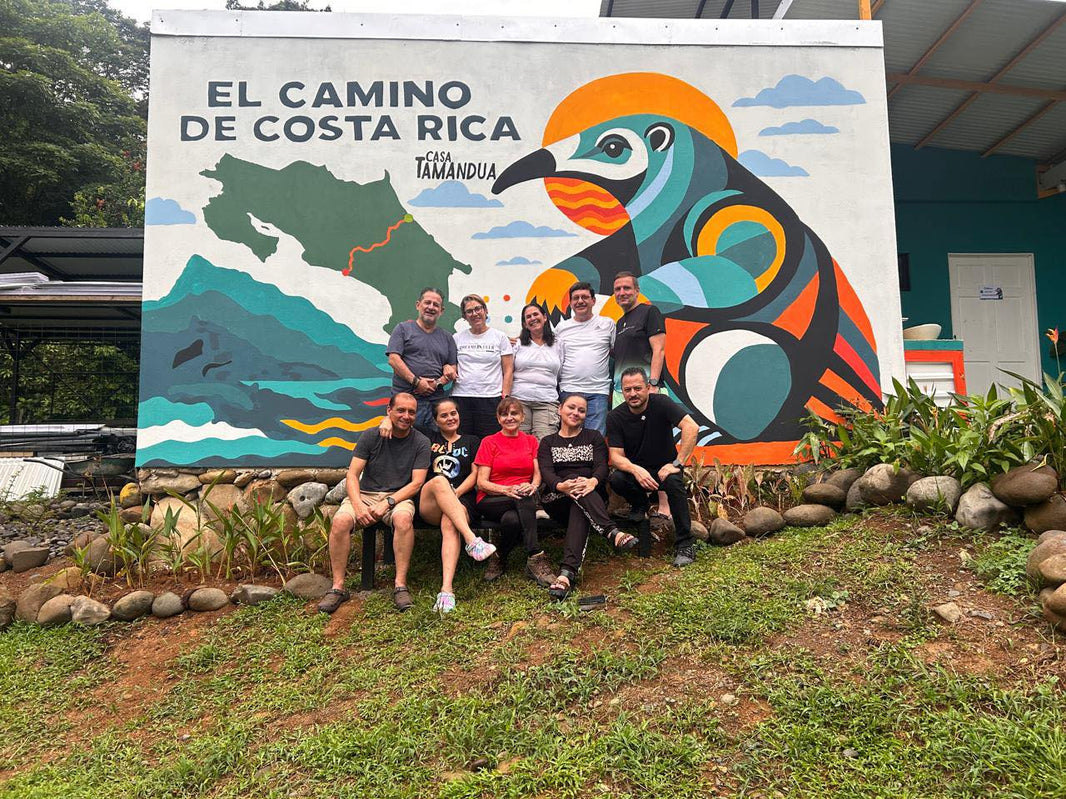
Sie ist auch eine großartige Option, wenn Sie nicht genug Zeit für den gesamten „El Camino de Costa Rica“ haben, aber dennoch ein intensives Wandererlebnis suchen. Und wenn Sie den „El Camino“ bereits absolviert haben und bereit sind, eine andere Region des Landes zu erkunden, bietet der Camino de Montes de Oro eine neue Herausforderung, eine neue Kulisse und eine völlig andere Perspektive auf Costa Rica.
Eine vom Gold geprägte Landschaft
Montes de Oro ist der vierte Kanton der Provinz Puntarenas. Er liegt etwa 100 Kilometer nordöstlich von San José und hat, im Gegensatz zu den anderen Kantonen in Puntarenas, keinen direkten Zugang zur Pazifikküste.
Sein Name verrät einen Teil seiner Geschichte. Lange bevor dieses Gebiet für den ländlichen Tourismus, seine Berglandschaften und seine Artenvielfalt bekannt wurde, war der Goldabbau eine der wichtigsten Aktivitäten. Tatsächlich war die Gegend unter dem Namen „Los Quemados“ bekannt, bevor sie Montes de Oro genannt wurde – ein Name, der mit alten Abbaupraktiken verbunden ist.
Heute gibt es in den Bergen zwar immer noch Gold, doch der größte Schatz der Region ist ein anderer. Er findet sich in den sauberen Flüssen, den Wäldern, den Bergaussichten, der Tierwelt, der bäuerlichen Kultur und der Möglichkeit, durch Gebiete zu wandern, die fernab vom Massentourismus liegen.
Die Berge von Montes de Oro werden von einem regnerischen tropischen Klima und Meeresbrisen beeinflusst. Dies schafft wechselnde Bedingungen entlang der Route und trägt zu einer breiten und überraschenden Vielfalt an Leben bei. Während der Weg aus tieferen Lagen in höhere Berggebiete führt, erleben Wanderer einen dramatischen Übergang vom tropischen Trockenwald zum Nebelwald.
Dieser Kontrast ist einer der Gründe, warum sich diese Wanderung so besonders anfühlt. In nur wenigen Tagen verändert sich die Landschaft komplett, sodass Wanderer mehrere Facetten Costa Ricas auf einer einzigen Reise erleben können.

Eine Route für Naturliebhaber
Eines der schönsten Merkmale des Camino de Montes de Oro ist, dass er durch Gebiete führt, die noch nicht stark frequentiert werden. Dadurch fühlt sich das Erlebnis persönlich, ruhig und tief mit der Umgebung verbunden an.
Für Vogelliebhaber ist diese Route besonders lohnenswert. Während einiger unserer Wanderungen haben wir an einem einzigen Tag bis zu 56 Vogelarten gezählt.
Der symbolische Vogel der Region ist der Motmot, der für sein auffälliges grün-blaues Gefieder und seinen pendelartigen Schwanz bekannt ist. Dieser Vogel kann an verschiedenen Stellen entlang der Route beobachtet werden, ist aber bei weitem nicht das einzige Highlight.
Wanderer können auch Quetzale, Kolibris, Greifvögel wie den Lachfalken und den Graubussard sowie viele andere Arten entdecken, die Farbe und Bewegung in den Wald bringen. Besonders Kolibris sind bei Reisenden immer sehr beliebt, da sie wie Lichtblitze plötzlich zwischen Blumen und Bäumen auftauchen.
Eine weitere unvergessliche Präsenz entlang des Pfades ist der Dreilappen-Schirmvogel. Dieses Gebiet ist Teil seines biologischen Korridors, und sein Ruf ist eines der bemerkenswertesten Geräusche im Wald. Er ist über mehr als einen Kilometer zu hören und klingt weniger wie ein typischer Vogelgesang, sondern eher wie eine metallische Note, die durch die Berge hallt.
Die Route bietet auch die Möglichkeit, Säugetiere wie Nasenbären zu sehen. In einigen Gebieten, insbesondere in der Nähe des „Children’s Eternal Rainforest“, haben wir auch Spuren von Wildkatzen gefunden, die durch die Region streifen. Auch Schlangen sind Teil dieser Ökosysteme, weshalb die Wanderung immer mit Aufmerksamkeit, Respekt und fachkundiger Führung durchgeführt wird.
Kultur, Erinnerung und das ländliche Leben in Montes de Oro
Der Camino de Montes de Oro ist nicht nur eine Naturwanderung. Er ist auch eine Route mit kulturellem und historischem Wert.
Die Region hat Chorotega-Wurzeln, und während der gesamten Reise erfahren die Wanderer mehr über die Gemeinschaften, Familien und lokalen Geschichten, die dieses Berggebiet geprägt haben. Einige dieser Geschichten sind freudvoll und voller ländlicher Gastfreundschaft. Andere sind Teil der schwierigeren Erinnerungen der Region.
Ein Beispiel sind die „Lagunas de Arancibia“, wo eine Gemeinde in den Jahren 1993 und 2000 durch Erdrutsche vom Cerro Silencio beeinträchtigt wurde. Beim ersten Ereignis wurden öffentliche Räume wie das Gemeindehaus und die Schule verschüttet, was zur Evakuierung des Gebiets führte. Jahre später bedeckte ein weiterer Erdrutsch die Häuser mehrerer Bauernfamilien, die dort noch lebten, vollständig.
Diese Geschichten machen die Route so bedeutungsvoll. Während Wanderer durch Montes de Oro ziehen, bewegen sie sich nicht nur über Berge. Sie wandern durch Orte, an denen Natur, Erinnerung, Widerstandsfähigkeit und das ländliche Leben tief miteinander verbunden sind.
Warum wir den Camino de Montes de Oro lieben
Der Camino de Montes de Oro wurde von Eliseo Hampton entworfen, einem einheimischen Führer, der diese Berge aus lebenslanger Erfahrung kennt. Selbst nach so vielen Jahren, in denen er dieses Gebiet durchwandert hat, ist er immer noch von dessen Schönheit überrascht.
Laut Hampton hat jede Etappe etwas Besonderes: eine natürliche Umgebung, einen Aussichtspunkt, einen Übergang im Wald, eine Begegnung mit Einheimischen oder ein Detail, das den Tag unvergesslich macht.
Anders als der „El Camino de Costa Rica“, der als große Herausforderung von Küste zu Küste bekannt ist, wurde der Camino de Montes de Oro als eine Wanderung konzipiert, die man genießen soll. Ja, sie ist körperlich anspruchsvoll und die Wanderer müssen vorbereitet sein. Aber der Fokus liegt nicht nur auf dem Schwierigkeitsgrad. Die Route wurde so geplant, dass Schönheit, Sicherheit, ländliche Wege, Naturkulissen und bedeutungsvolle Begegnungen im Vordergrund stehen.
Soweit wie möglich meidet der Pfad Asphalt und viel befahrene Straßen. Der Großteil der Route verläuft über ländliche Wege, auf denen selten Autos vorbeifahren, was es Wanderern ermöglicht, mit den Geräuschen und Rhythmen der Landschaft verbunden zu bleiben.
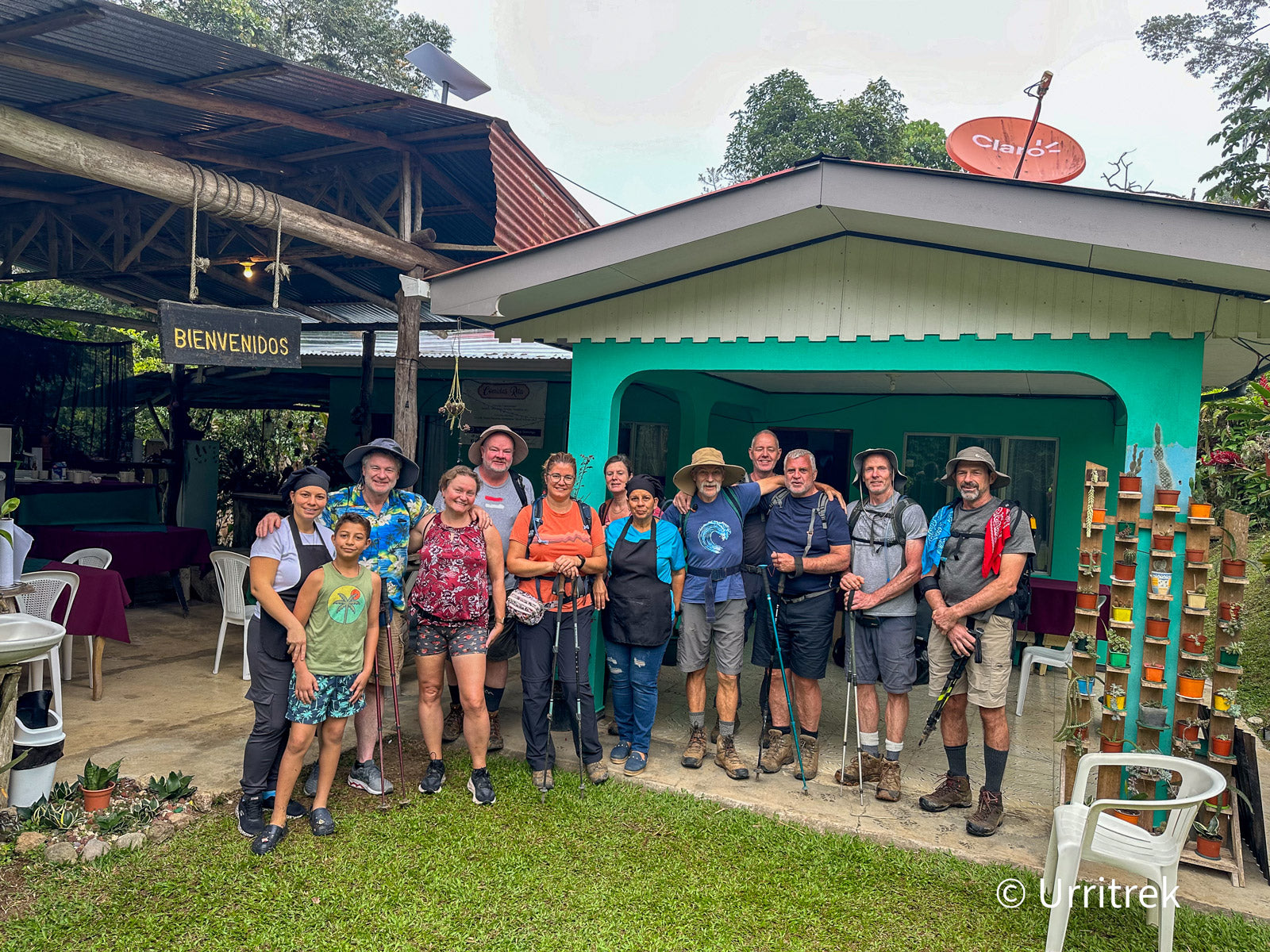
Die gewählte Strecke verbindet abgelegene ländliche Gemeinschaften und gibt Reisenden die Möglichkeit, Einheimische zu treffen und in einfachen, einladenden Unterkünften entlang des Weges zu übernachten. Dies sind keine Luxushotels. Es sind bescheidene, authentische Orte, die dazu beitragen, das Erlebnis menschlicher, persönlicher und stärker verbunden mit den Menschen zu machen, die in den Bergen leben.
Während der Reise durchqueren die Wanderer Orte wie Zapotal, Cedral, Arancibia, Santa Marta, Bajo Caliente, San Luis de Monteverde und schließlich Santa Elena in Monteverde.
Einige Nächte werden in Hütten oder ländlichen Unterkünften verbracht. Andere Nächte verbringt man in abgelegenen Gebieten, in denen die Stille Teil der Erfahrung wird. In Santa Marta zum Beispiel übernachtet die Gruppe in einem der abgelegensten Häuser der Gemeinschaft, wo die Nacht nach einem langen Tag auf dem Pfad besonders ruhig wirkt. Die Mahlzeiten werden oft mit lokalen Zutaten zubereitet, einschließlich Lebensmitteln, die in der gleichen Gegend angebaut werden.
In Arancibia ist einer der unvergesslichsten Stopps in der Nähe der „Lagunas de Ojo de Agua“, auf einem Grundstück mit einem außergewöhnlichen Aussichtspunkt. Dort können Wanderer auch einen intimen musikalischen Moment erleben, der von einem autodidaktischen lokalen Musiker mit bemerkenswertem Talent geboten wird.
Diese Details machen den Camino de Montes de Oro zu mehr als nur einer Wanderung. Es ist eine Reise durch Landschaften, Geschichten, Menschen und Orte, die die meisten Costa-Rica-Besucher nie zu Gesicht bekommen.
Eine anspruchsvolle, aber lohnende Wanderung
Der Camino de Montes de Oro ist am besten für erfahrene Wanderer geeignet. Die Route beinhaltet lange Wandertage, Bergterrain, steile Anstiege, Abstiege, wechselndes Wetter und abgelegene Abschnitte.
Gleichzeitig ist die Wanderung so gestaltet, dass sie ausgewogen ist. Das Ziel ist nicht, die schwierigstmögliche Route zu schaffen, sondern eine herausfordernde und angenehme Reise durch eine der schönsten und unbekannteren Bergregionen Costa Ricas anzubieten.
Eine der anspruchsvollsten Etappen ist der erste Tag. Die Wanderung beginnt in Miramar und führt von etwa 300 Metern über dem Meeresspiegel bis auf etwa 1.400 Meter hinauf, wobei man Zapotal erreicht. Dieser Aufstieg markiert einen starken Übergang vom tropischen Trockenwald zum Nebelwald mit einem stetigen Anstieg, der eine gute körperliche Verfassung erfordert.
Ein weiterer herausfordernder Abschnitt kommt später auf der Route mit Bergterrain, das steile Anstiege und Abstiege umfasst. Diese Tage erfordern Ausdauer, Geduld und ein stetiges Tempo.
Die täglichen Distanzen sind:
-
Tag 1: 14,3 km
-
Tag 2: 10,5 km
-
Tag 3: 12,4 km
-
Tag 4: 15,1 km
-
Tag 5: 19,2 km
-
Tag 6: 11,1 km
Die gesamte Route umfasst insgesamt 4.408 Höhenmeter im Anstieg und 3.514 Höhenmeter im Abstieg.
Deshalb ist Vorbereitung wichtig. Der Camino de Montes de Oro ist kein lockerer Spaziergang, aber eine unglaublich lohnende Erfahrung für Wanderer, die Anstrengung, Natur und die Befriedigung genießen, jedes Ziel Schritt für Schritt zu erreichen.
Was macht diese Wanderung anders?
Costa Rica ist berühmt für seine Strände, Vulkane, Nationalparks und Nebelwälder. Aber der Camino de Montes de Oro bietet etwas anderes: die Chance, durch eine Region zu wandern, die sich gerade erst als Ziel für ländlichen Tourismus entwickelt.
Das bedeutet, dass sich das Erlebnis frisch, exklusiv und tief authentisch anfühlt. Der Pfad ist noch wenig bekannt, und jetzt daran teilzunehmen bedeutet, Teil einer kleinen Gruppe von Reisenden zu werden, die diese Route in ihrer Anfangsphase entdecken.
Es ist zudem eine Route, die von Urritrek geschaffen und betrieben wird. Wir sind Pioniere auf dieser Reise, und unser Ziel ist es, das Erlebnis in Zukunft weiter auszubauen, indem wir neue Orte hinzufügen und die Verbindung zwischen Wandern, ländlichen Gemeinschaften und verantwortungsvollem Tourismus stärken.
Was ist bei Urritrek enthalten?
Der Camino de Montes de Oro ist ein 6-tägiges Wandererlebnis für fortgeschrittene Wanderer und wird mit einer Mindestteilnehmerzahl von 6 Personen durchgeführt.
Die Tour beinhaltet den Transport vom Zentraltal zum Startpunkt in Miramar, professionelle zertifizierte Wanderführer, Gepäcktransport zwischen den Etappen, Unterkünfte, Mahlzeiten, Eintrittsgebühren für private Gebiete, logistische Unterstützung, Unfallversicherung sowie ein Notfall- und Evakuierungsprotokoll.
Einige Etappen beinhalten auch Übernachtungen in ländlichen Unterkünften oder Erlebnisse im Camping-Stil, je nach Standort und Verfügbarkeit. Diese Vielfalt ist Teil des Abenteuers und spiegelt den abgelegenen Charakter der Route wider. Hier finden Sie den vollständigen Zeitplan.
Vollständige Informationen zur Wanderung Camino de Montes de Oro:
Wenn Sie bereit sind, durch das goldene Hochland Costa Ricas zu wandern, abgelegene Gemeinschaften zu entdecken, dem Wald zuzuhören, Flüsse zu überqueren, Bergpfade zu erklimmen und eine andere Seite des Landes zu erleben, wartet der Camino de Montes de Oro auf Sie.
Dies ist nicht einfach nur eine weitere Wanderung in Costa Rica. Es ist eine neue Art, das Land zu verstehen, Schritt für Schritt.
Sind Sie bereit, Ihr nächstes Wanderabenteuer zu buchen? Hier buchen!
Werfen Sie einen Blick auf die verfügbaren Termine für diese Wanderung:
Häufig gestellte Fragen zum Camino de Montes de Oro
Ist der Camino de Montes de Oro für Anfänger geeignet?
Diese Wanderung ist am besten für erfahrene Wanderer geeignet. Die Route beinhaltet mehrere Tage Bergwandern, steile Anstiege, Abstiege, wechselndes Wetter und abgelegene ländliche Abschnitte. Sie müssen kein Profisportler sein, sollten aber daran gewöhnt sein, lange Strecken zu wandern und mehrere Tage auf dem Pfad zu verbringen.
Was unterscheidet diese Route vom „El Camino de Costa Rica“?
Der „El Camino de Costa Rica“ ist eine längere Reise von Küste zu Küste. Der Camino de Montes de Oro ist kürzer, aber dennoch körperlich anspruchsvoll und tief lohnend. Er ist ideal für Wanderer, die ein mehrtägiges Abenteuer in Costa Rica suchen, aber möglicherweise nicht genug Zeit für eine längere Route haben. Er ist auch eine großartige Option für diejenigen, die den „El Camino de Costa Rica“ bereits absolviert haben und eine neue Region erkunden möchten.
Kann ich während der Wanderung Wildtiere sehen?
Ja. Das Gebiet ist besonders attraktiv für die Vogelbeobachtung, mit Arten wie Motmots, Kolibris, Greifvögeln, Quetzalen und dem Dreilappen-Schirmvogel. Wanderer können je nach Tag, Wetter und Wegbedingungen auch Nasenbären und andere Wildtiere sehen.
Wo schlafen die Wanderer während der Route?
Die Unterkünfte sind einfach, ländlich und authentisch. Je nach Etappe können Wanderer in Hütten, bei Einheimischen zu Hause, auf Bauernhöfen oder in rustikalen Unterkünften übernachten, die von Menschen aus den Gemeinschaften entlang der Route geführt werden. Diese Aufenthalte sind Teil des Erlebnisses und bieten eine engere Verbindung zum ländlichen Costa Rica.
Was sollte ich mitbringen?
Bequeme Wanderschuhe, schnell trocknende Kleidung, Regenschutz, Sonnenschutz, eine wiederauffüllbare Wasserflasche, persönliche Medikamente, Insektenschutzmittel und einen kleinen Tagesrucksack werden empfohlen. Da der Gepäcktransport inbegriffen ist, müssen Wanderer nur das tragen, was sie während der täglichen Wanderung benötigen.
Ist diese Route ganzjährig verfügbar?
Die Verfügbarkeit hängt vom Wetter, der Gruppengröße und der Logistik ab. Da es sich um eine abgelegene und noch im Aufbau befindliche Route handelt, ist es am besten, die verfügbaren Termine direkt bei Urritrek zu prüfen, bevor Sie Ihre Reise planen.
Wie viele Personen sind erforderlich, um die Tour durchzuführen?
Der Camino de Montes de Oro ist für Gruppen ab 6 Teilnehmern verfügbar. Dies trägt dazu bei, die Logistik, Unterkünfte, Führung und Unterstützung sicherzustellen, die für das volle Erlebnis erforderlich sind.